01
Plain-English activity entry
Describe what happened and it works out the emissions, rather than making someone learn an emissions factor database.
Zoru Earth
Carbon accounting on the GHG Protocol, running across UK and overseas operations.
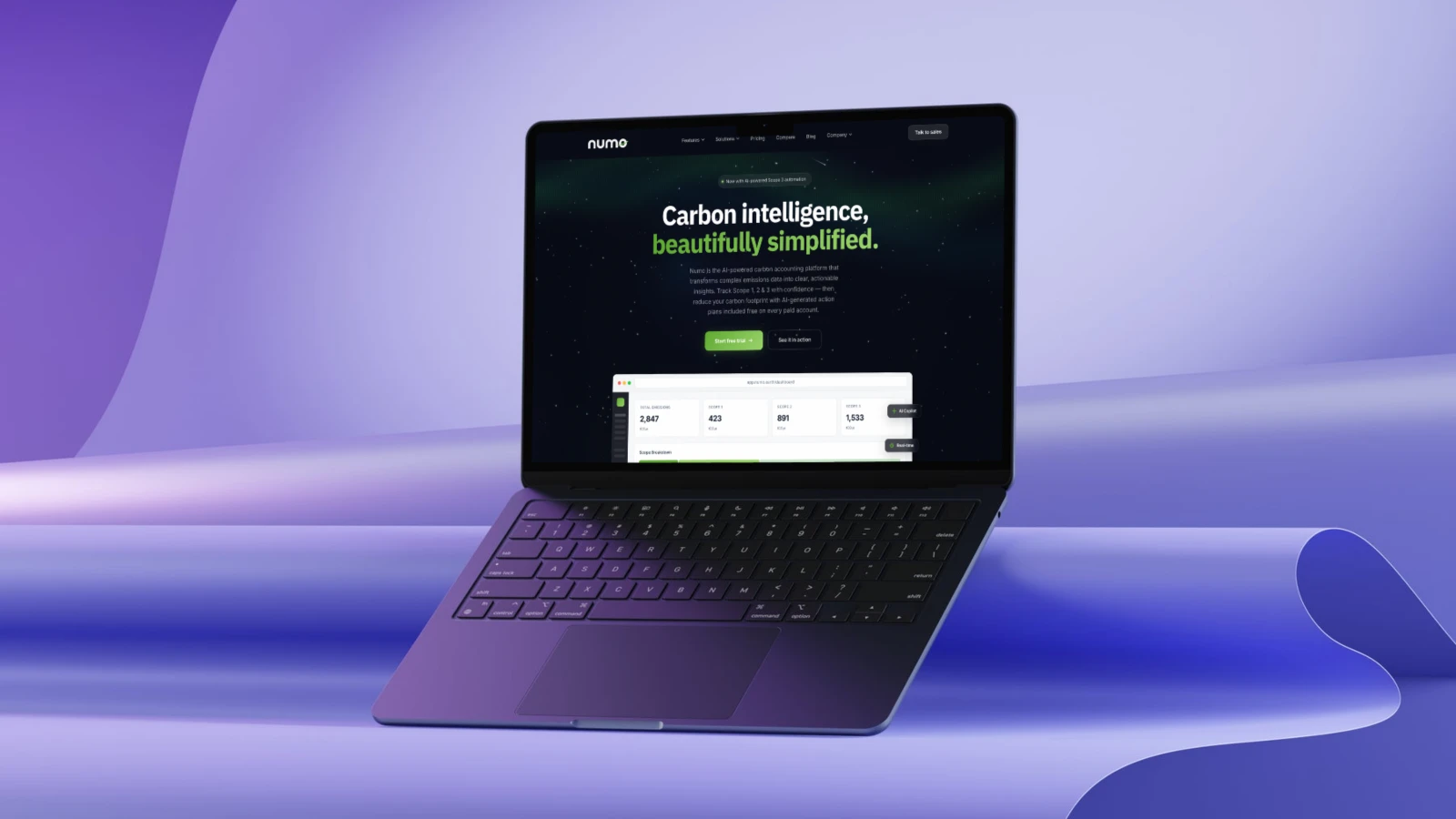
The hard part of carbon accounting is Scope 3.
Scope 1 and 2 are arithmetic. Scope 3 is chasing suppliers for numbers they do not have in a format nobody agrees on, which is why most reduction plans quietly stop at the factory gate.
Zoru Earth takes an activity described in plain English, or an invoice as a file, and parses the emissions out of it. Automated supplier outreach keeps Scope 3 current instead of annual. What comes out the other end is a reduction plan an auditor will accept.
It runs across UK and overseas operations, which is the version of this problem that actually bites: multiple sites, multiple currencies, multiple grids.
What is actually in it.
01
Describe what happened and it works out the emissions, rather than making someone learn an emissions factor database.
02
Upload the document and it extracts what it needs.
03
Scope 3 stays current because the chasing is done for you.
04
Scope 1, 2 and 3 calculated the way an auditor expects to see them.
05
A reduction plan with the working shown, not a number with no provenance.
What that phrase has to mean.
A carbon number is easy to produce and hard to defend. The difference is whether the working survives somebody checking it.
The GHG Protocol splits emissions into three scopes: what you burn directly, what you buy as energy, and everything else in the chain either side of you. The first two are arithmetic against a meter reading. The third is most of the footprint for most organisations, and it is the one that comes from other people’s data.
That is why provenance matters more than precision. A total nobody can trace is worth less than a slightly rougher one where every line says where it came from: this invoice, this supplier response, this factor, on this date. When an assurance provider asks how a figure was reached, the answer has to be a record rather than a recollection.
Operating across borders makes the same point harder. Multiple sites, multiple currencies and multiple electricity grids mean the same activity carries a different footprint depending on where it happened and when, so the working has to hold that context rather than flatten it into one average.
The stack.
Hand-coded, green-hosted, and measured with our own tooling. In production across UK and overseas operations.
Get started
Tell us what it has to do and who has to use it. We will tell you what it takes.
Or email hello@oynk.co.uk